Our Services
Our Services
14Dec2025
Pathology
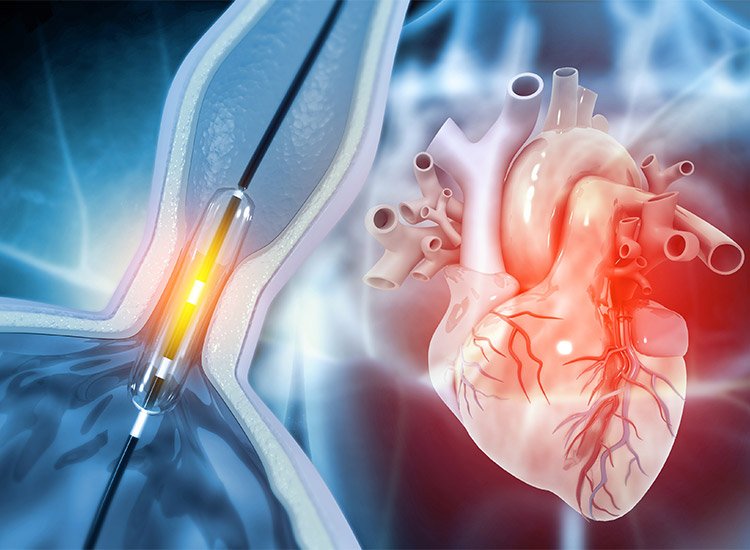
Coronary heart disease, also called coronary artery disease or ischemic heart disease, disease characterized…
Pathology: The Study of Disease
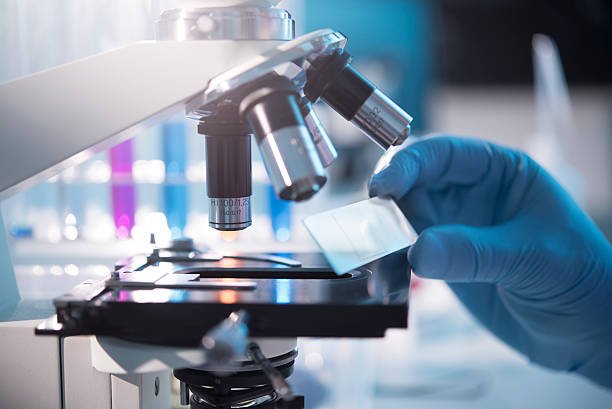
Pathology is a branch of medical science that focuses on the study of diseases, their causes, development, and effects on the human body. It serves as the cornerstone for understanding how various illnesses affect the organs, tissues, and cells of the body, providing crucial insights into diagnosis, treatment, and prevention.
Pathologists are medical professionals who specialize in examining body tissues, fluids, and organs to identify diseases. They perform tests and analyses to understand the underlying mechanisms of illnesses, which helps in diagnosing conditions ranging from infections and cancers to genetic disorders and autoimmune diseases.
There are several key branches of pathology:
-
Anatomical Pathology: This involves the study of tissues and organs, particularly through biopsies, autopsies, and surgical samples. Pathologists in this field examine the structure of cells and tissues to identify abnormalities.
-
Clinical Pathology: Focuses on the laboratory analysis of blood, urine, and other bodily fluids. It plays a vital role in diagnosing infections, monitoring organ function, and assessing the overall health of an individual.
-
Molecular Pathology: This is an emerging field that looks at genetic and molecular changes in cells and tissues. It involves advanced techniques like DNA sequencing, PCR (Polymerase Chain Reaction), and other molecular tests to detect diseases at a genetic level.
-
Forensic Pathology: Involves the investigation of death, particularly when the cause is unknown or suspicious. Forensic pathologists examine bodies to determine the cause and manner of death, often playing a key role in legal investigations.
The role of pathology in medicine is indispensable. By understanding the cause of a disease, pathologists help clinicians in choosing the most appropriate treatment methods. They provide critical information that guides surgical decisions, cancer staging, and the overall prognosis of patients.
In addition, pathology plays a vital role in medical research, where it helps uncover new ways to prevent, treat, and cure diseases. It also assists in the development of vaccines, diagnostic tests, and targeted therapies.