Our Services
Our Services
14Dec2025
Cardiac Intervention
Interventional cardiology is the subspecialty of cardiology that uses specialized catheter-based techniques…
Cardiac Intervention: A Vital Approach to Treating Heart Disease
Cardiac intervention refers to a range of medical procedures used to treat and manage heart diseases and conditions. These interventions aim to improve blood flow to the heart, restore normal heart rhythms, and prevent further damage to heart tissues. With the rising prevalence of cardiovascular diseases globally, cardiac interventions have become essential in saving lives and improving the quality of life for patients with heart conditions.
Cardiac interventions can be broadly classified into invasive and non-invasive procedures, but most often, they are performed in response to conditions such as coronary artery disease (CAD), heart attacks (myocardial infarctions), arrhythmias, and heart failure.
Types of Cardiac Interventions
-
Percutaneous Coronary Intervention (PCI)
-
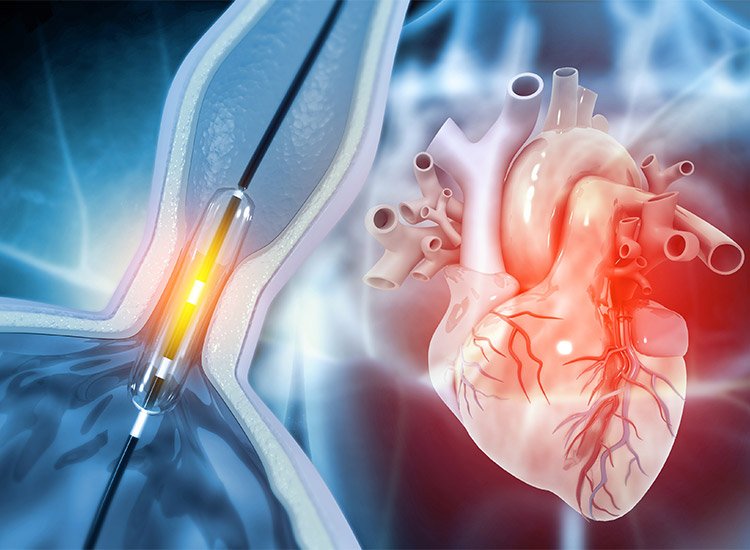
Also known as Angioplasty: PCI is one of the most common cardiac interventions, used to treat narrowed or blocked coronary arteries. It involves inserting a catheter into the artery through a small incision in the skin, typically in the groin or wrist, to access the blocked vessel. A balloon at the tip of the catheter is inflated to open up the artery, and often a stent (a small mesh tube) is inserted to keep the artery open and prevent it from re-narrowing.
-
Indications: PCI is used in cases of coronary artery disease, where fatty deposits (plaque) have accumulated in the arteries, restricting blood flow to the heart.
-
-
Coronary Artery Bypass Grafting (CABG)
-
Surgical Intervention: CABG is a surgical procedure used when PCI is not sufficient or when multiple coronary arteries are severely blocked. In this procedure, a surgeon takes a healthy blood vessel from another part of the body (usually the leg or chest) and grafts it around the blocked or narrowed coronary artery, bypassing the obstruction.
-
Indications: CABG is often recommended for patients with extensive coronary artery disease or those who have failed PCI.
-
-
Ablation Therapy
-
For Arrhythmias: Cardiac ablation is a procedure used to treat heart rhythm disorders (arrhythmias). It involves using radiofrequency energy (or in some cases, cryotherapy) to destroy small areas of heart tissue that are responsible for causing irregular heartbeats.
-
Indications: Ablation is most commonly used for conditions such as atrial fibrillation, atrial flutter, or supraventricular tachycardia.
-
-
Left Ventricular Assist Device (LVAD)
-
Mechanical Circulatory Support: In cases of severe heart failure, an LVAD is a mechanical pump that helps the heart pump blood. It is often used in patients awaiting a heart transplant or in those who are not candidates for a transplant.
-
Indications: Severe heart failure when medications are not effective or when patients are not suitable for heart transplant.
-
-
Transcatheter Aortic Valve Replacement (TAVR)
-
Valve Replacement Without Surgery: TAVR is a minimally invasive procedure used to treat patients with aortic valve stenosis (narrowing of the aortic valve). During TAVR, a new valve is inserted through a catheter, typically via the femoral artery (in the groin) or through a small incision in the chest, without the need for open-heart surgery.
-
Indications: This procedure is mainly used in older or high-risk patients who may not be candidates for traditional open-heart surgery.
-
-
Cardiac Catheterization
-
Diagnostic Procedure: While not always an intervention by itself, cardiac catheterization is a diagnostic procedure that is often used in conjunction with other interventions. During this procedure, a catheter is inserted into a blood vessel (usually in the groin or arm) and guided to the heart to assess the function of the heart chambers and blood vessels, measure pressures, and detect blockages or abnormalities.
-
Indications: Cardiac catheterization is used to evaluate conditions such as coronary artery disease, valve disease, or congenital heart defects.
-
-
Pacemaker and Implantable Cardioverter-Defibrillator (ICD) Implantation
-
Device-Based Interventions: In cases of heart rhythm disorders or heart failure, the implantation of a pacemaker or an ICD can help regulate abnormal heart rhythms. A pacemaker sends electrical impulses to stimulate the heart when it beats too slowly, while an ICD monitors the heart for life-threatening arrhythmias and can deliver shocks to restore normal rhythm.
-
Indications: Pacemakers are used for patients with bradycardia (slow heart rate), while ICDs are used for patients at high risk of sudden cardiac arrest.
-
-
Cardiac Resynchronization Therapy (CRT)
-
For Heart Failure: CRT involves the implantation of a special type of pacemaker that helps the heart chambers beat in sync. It is often used in patients with heart failure and a condition known as left bundle branch block, where the heart’s electrical impulses are delayed or disrupted.
-
Indications: CRT is used in patients with severe heart failure and specific electrical conduction issues to improve the heart’s pumping ability.
-
Benefits of Cardiac Intervention
-
Improved Blood Flow: Interventions such as PCI and CABG restore proper blood flow to the heart, reducing the risk of heart attacks and improving overall heart function.
-
Symptom Relief: Procedures like ablation therapy help alleviate symptoms of arrhythmias, including palpitations, dizziness, and shortness of breath.
-
Prolonged Life: Cardiac interventions can extend life expectancy, particularly for patients with severe coronary artery disease or heart failure who are not responding to medical treatments.
-
Reduced Hospitalization: Minimally invasive procedures like TAVR and PCI often lead to shorter recovery times and fewer hospital stays compared to traditional surgery.
Conclusion
Cardiac intervention plays a critical role in managing heart diseases and preventing complications. As technology and techniques continue to evolve, the range of options available to patients expands, allowing for more personalized and effective treatments. By working closely with cardiologists and healthcare providers, patients can benefit from timely interventions that improve their heart health and quality of life.